
More Than Momentum: The NIPhD Program’s Increasing Reach and Long‑Term Promise
After three and a half years and seven rounds of applications, you might expect the National Industry PhD Program to have lost some of its shine. Fortunately, nothing could be further from the truth. Round 7 of the Program, which closed at the end of March 2026, received 191 applications, the highest number to date.
From its first round in early 2023, the Program has received a total of 1101 applications. While the number may not seem large at first glance, each application includes an industry partner – an essential and distinguishing feature of the Program. The Program now has 228 PhD candidates working at the intersection of academia and industry.
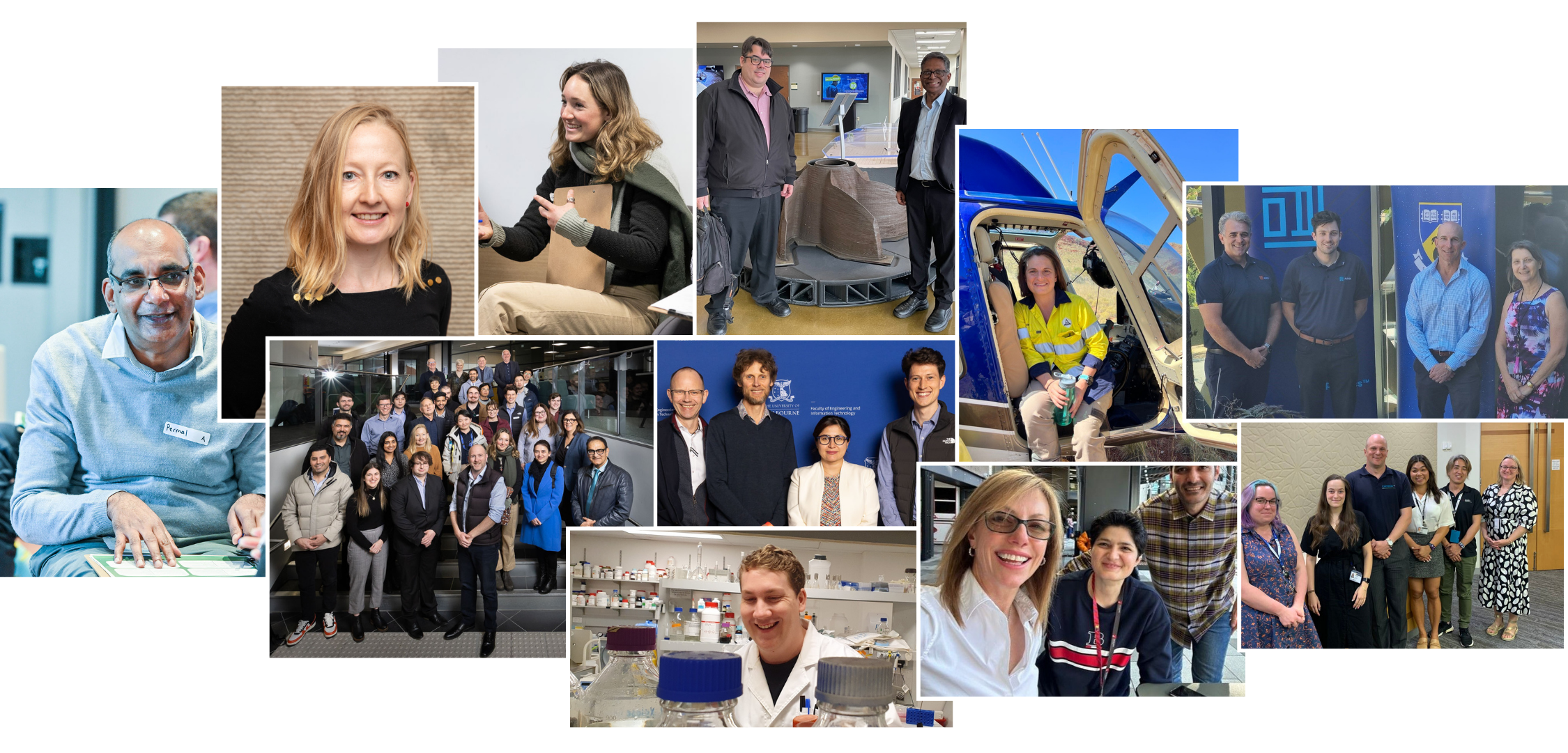
NIPhD Program Participants
The two streams of the NIPhD Program see either a candidate from university spending 20-50% of their time with an industry partner, or an employee from the industry partner retained in employment and supported to undertake a PhD, spending 20-50% of their time at a university with the academic research supervisor and research team.
In navigating both worlds throughout their PhD journey, the NIPhD Program is helping to develop a cohort of highly qualified individuals who can move between industry and academia, bridging the gap between these two realms and building the tacit understanding of how these two worlds “work” in practice – an understanding that is so crucial for closer academic-industry collaboration.
There are already signs of the desired workforce mobility between industry and academia. One Industry Researcher awardee, an employee of Woodside Energy Ltd, has been appointed as an Adjunct Associate Professor:
“Since the confirmation review, I have been appointed as an Adjunct Associate Professor in the School of Engineering at UWA (1st Feb 2026). This reflects the academic and industry standing established through this Industry PhD and supports my supervision of students working on related projects.”
Direct knowledge exchange is starting to occur as projects hit the 12- and 18-months marks. Several patents have been filed or granted. As projects approach the 24‑month mark, early evidence shows research beginning to influence industry partners’ processes, operations, and product development. That tangible research translation impact is occurring within such a short time frame suggests that the NIPhD model – where industry and academia establish a research project together to address a ‘real world’ problem – can reduce roadblocks and smooth the pathway for rigorous research to achieve beneficial application for its industry partner.
Over the longer term, the skills and understanding being developed by candidates on how both worlds “work” will help these professionals and academics work closely and productively together. Industry Researcher candidates are honing their academic writing, research methods and analytical skills. Industry Linked candidates are developing industry-based knowledge, practical skills and exposure to the realities of a commercial environment. As well as understanding how each world “works”, NIPhD candidates are actively managing projects within operating environments that can have differing timelines and priorities. They are developing crucial human skills – communication, influence and perspective-shifting to work through any challenges that might arise between these two environments. It is these skills that enable ideas to be shaped and shared, allowing collaboration to deepen and for new opportunities to emerge.
This desire for connection and deepened understanding couldn’t be more apparent than the appetite NIPhD participants have shown for Campus Plus’s new initiative: Industry PhD Community Sessions. These fortnightly virtual events provide a forum for all participants – candidates, academic and industry supervisors – to meet, share experiences and support one another. A PhD is a prestigious qualification, requiring rigour and commitment. For Industry PhD candidates, the dual‑environment demands of their candidature set them apart from traditional academic peers. The same is true for the academic and industry supervisors. Hearing their voices can only help strengthen programs such as the NIPhD.
Round 7 of the National Industry PhD Program was a success: interest in the Program, application numbers, and new industry-university partnerships demonstrate that appetite for the Industry PhD model is increasing.
What is even more exciting, are the first glimpses emerging of the longer-term impact programs such as the NIPhD can have. This includes workforce mobility between academia and industry; joint appointments for individuals with a foot in both camps; professionals and researchers who have been exposed to and learnt how to navigate the realities of these two worlds working together successfully with mutual empathy and understanding; a model that is based on bringing academic research rigour to the needs and challenges identified by industry. A model that not only translates the research into actionable outcomes and impact but also helps develop a cohort of uniquely skilled individuals who can potentially build their careers at the interface of these two worlds.
In the end, the Program’s greatest legacy may be the people it equips - professionals who can confidently navigate both worlds and drive meaningful change across them.
Zoe Fieldhouse, Head of MarComms + Training, Campus Plus