
Advancing Signal Modelling with Physics-Informed Neural Networks
What happens when AI is taught the rules of the physical world it tries to predict?
Lockheed Martin Australia Advanced Systems & Technologies has partnered with the Australian Institute for Machine Learning (AIML) at the University of Adelaide to develop a new machine learning framework that can allow for efficient signal modelling across key areas such as weather prediction, signal tracking, fluid dynamics, and space exploration.
Traditional modelling methods are computationally expensive. This project builds on the idea of embedding physical constraints directly into machine learning models, reducing data requirements, increasing robustness to noise, and lowering costs. Lying at the intersection of physics, mathematics, and computing, the project allows us to not only understand AI itself at a deeper level, but also unlock new frontiers in how we model, predict, and interpret complex physical systems.
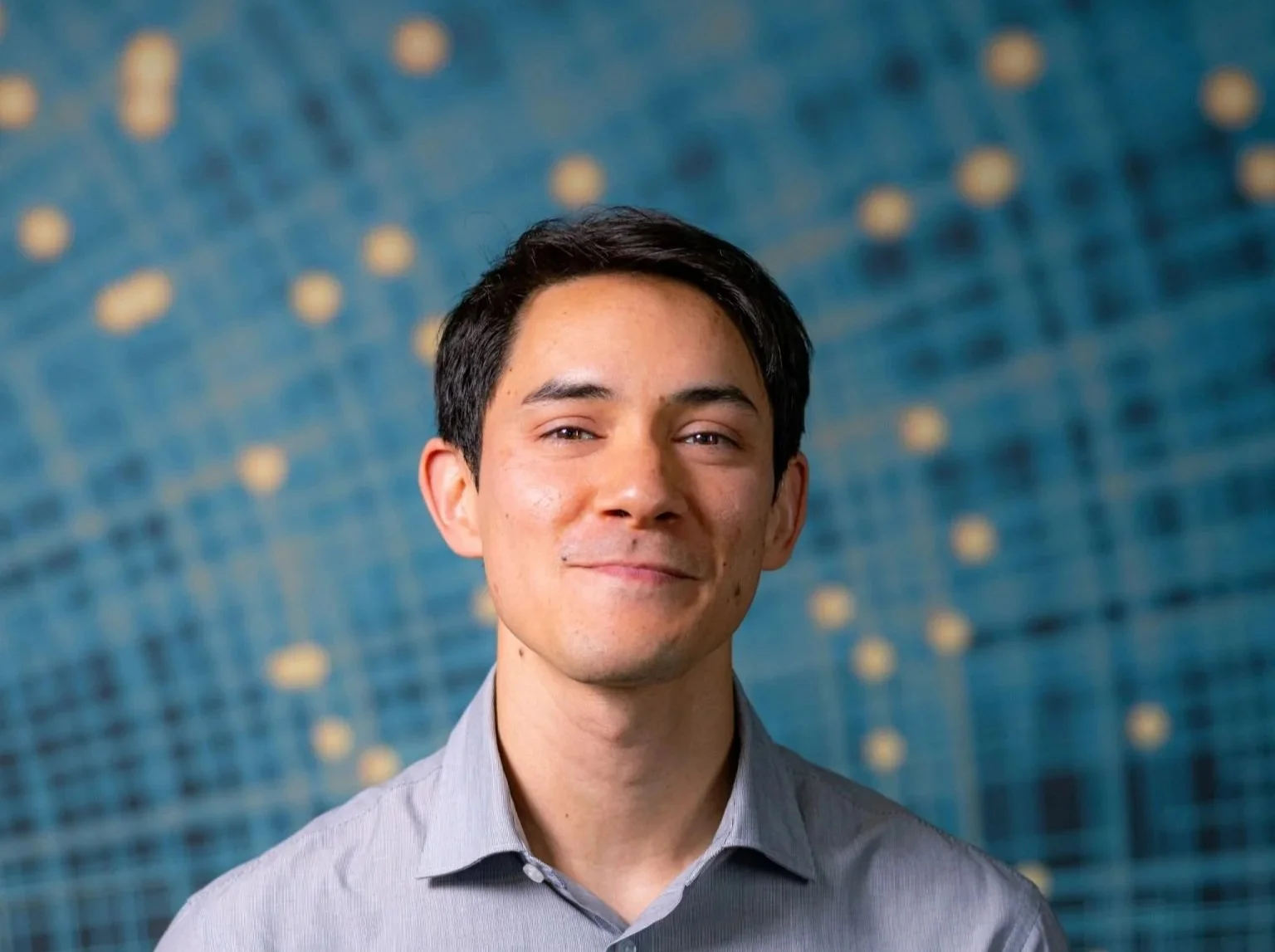
This collaboration brings together:
🔹 Dr Hemanth Saratchandran - Australian Institute for Machine Learning, University of Adelaide
🔹Dr Leon Clark– Advanced Systems & Technologies, Lockheed Martin Australia
🔹 Ajeendra Panicker - PhD Candidate - Australian Institute for Machine Learning, University of Adelaide
Together, they are shaping a new direction for AI-driven signal modelling.
Thank you to Mark Neuendorf and Clementine Hill at the University of Adelaide for facilitating this project.