Antimicrobial Resistance Dynamics: Before, During, and After the COVID-19 Pandemic
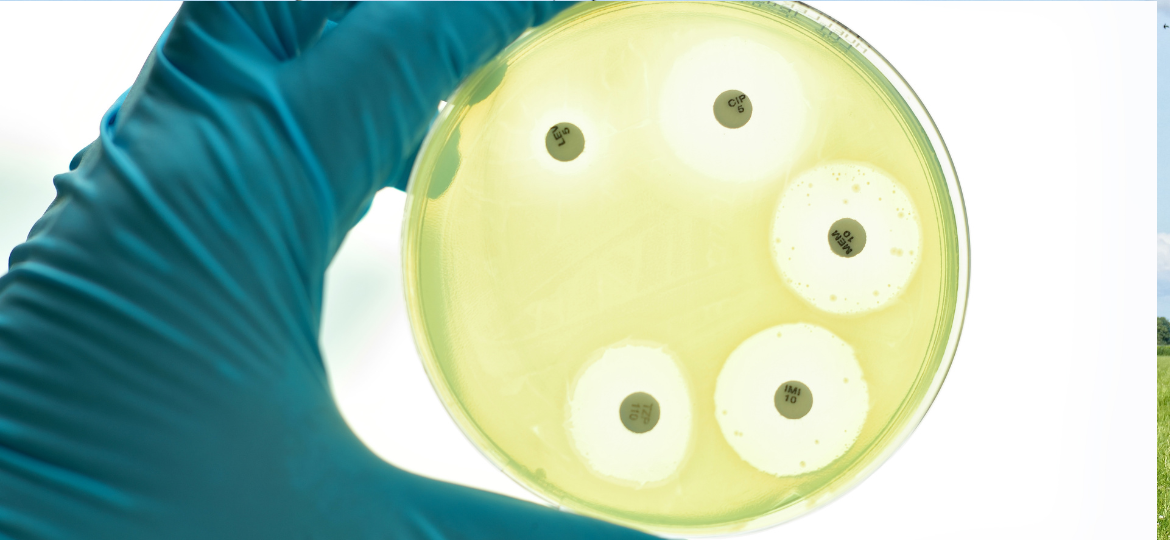
Anti-microbial resistance (AMR) is a global threat, killing over 4.95m people every year. Thanks to the Australian Government Department of Education's National Industry PhD Program, Martina Sanderson-Smith from the University of Wollongong is collaborating with PhD candidate Danielle Thompson and Caitlin Keighley, both from Southern.IML Pathology to explore how anti-microbial resistance patterns have changed since the COVID-19 pandemic.
Data collected on AMR in Australia is primarily derived from hospital settings; there is little information on the dynamics of AMR within community settings, despite regional and remote communities having a high burden of infectious disease and more than 90% of all antibiotic scripts are issued within a community setting.
This project will help us better understand how the pandemic has impacted the prevalence of AMR, and how resistance can transfer between bacteria of different origins and the environment. These findings will be used to equip healthcare providers with precise local treatment information, support accurate prescribing, predict diagnostic demand, reduce Medicare costs and alleviate pressures on healthcare systems.