
Acupuncture for Pain-Fatigue-Sleep Cluster in Breast Cancer Survivors: A Randomized Trial on Mechanisms and Efficacy

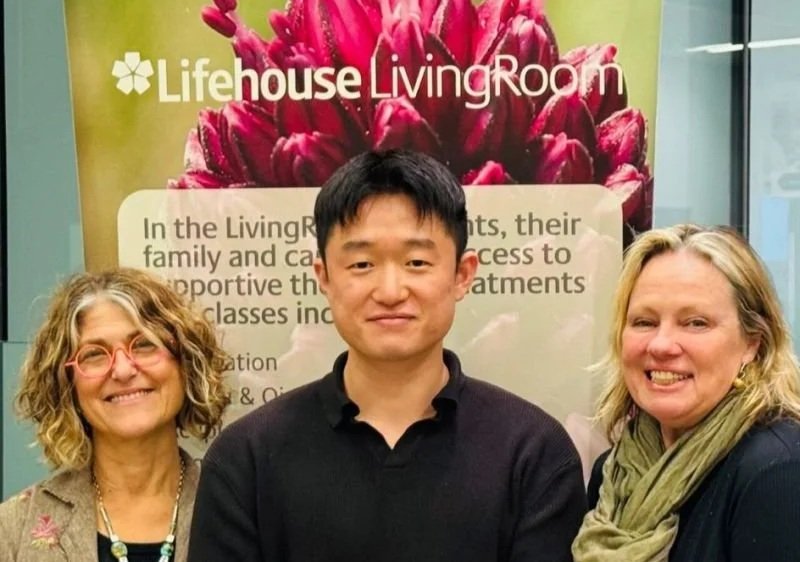
We are thrilled to announce our collaboration with Western Sydney University and Chris O'Brien Lifehouse on an industry-focused PhD project aimed at addressing key challenges in the Supportive Care and Integrative Oncology sector. This collaborative effort brings together academic expertise and industry insights to drive innovation and deliver real-world impact.
Our project, titled "Effectiveness and Cost-Utility of Acupuncture as a Symptom Cluster Intervention During Breast Cancer Survivorship," focuses on investigating the effectiveness and health economics of acupuncture as a potential symptom cluster intervention. It seeks to help breast cancer survivors manage multiple ongoing symptoms to reduce symptom severity, improve quality of life, and contribute to improving accessibility.
Leveraging the Western Sydney University’s renowned expertise in Complementary and Integrative Medicine and Chris O'Brien Lifehouse's industry leadership in Supportive Care and Integrative Oncology, this project epitomises a collaborative approach that bridges the gap between academia and industry.
Project Outcomes/Impact
While cancer survivorship is something to be celebrated, many breast cancer survivors face multiple ongoing symptoms called ‘symptom clusters’. This research will investigate the impact of acupuncture on reducing symptom cluster severity, quality of life, and evaluate its health economics. NICM Health Research Institute, Western Sydney University, is an Australian leader in Complementary and Integrative medicine, and the collaboration on this project builds on its mission to bridge the gap between Traditional and Complementary medicine with conventional medicine. For Chris O'Brien Lifehouse, a leading comprehensive cancer centre in Australia and a centre of excellence in Supportive Care, the collaboration in this project demonstrates its commitment to supporting patients throughout the cancer continuum with evidence-based integrative interventions.
Student: ki K.
Academic: Dr Suzanne Grant, PhD
Industry Supervisor: Judith Lacey